Lighting
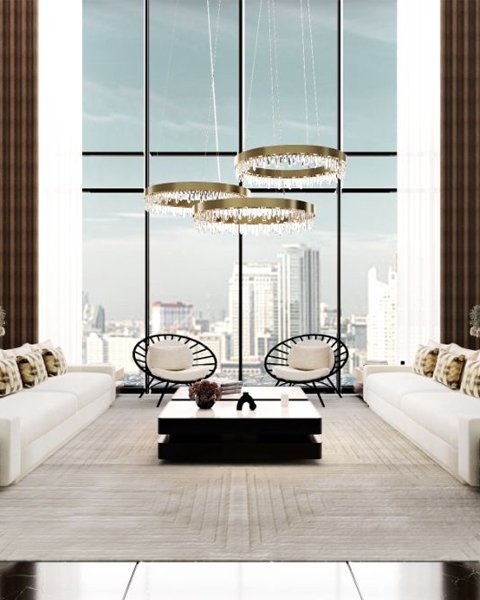
1. Layered lighting beats a single overhead
Ambient + task + accent = comfort and control.
2. Color temperature changes mood (and paint)
2700–3000K feels warm; cool temps can wash rooms out.
3. Dimmers are design insurance
They add flexibility and extend bulb life—cheap, big impact.
4. Light the walls, not just the floor
Wall-washing makes rooms feel bigger and brighter.
5. Paper and fiberglass shades “warm” the light
Materials shift perceived color temperature—use it.
6. Outdoor lighting: less is more
Over-lighting creates glare and kills ambiance—mind local regs.
7. Daylighting is a performance tool
Skylights, operable windows, and shading can cut loads.
8. Mass-timber + operable windows = low energy, high vibe
Natural ventilation strategies matter in offices and homes.
Space & Layout
1. Small spaces love multi-use furniture
One great modular piece can replace three single-purpose ones.
2. Vertical storage is your secret square footage
Think tall shelving, over-door cabinets, and dividers.
3. Built-ins = calm
Wardrobes and banquettes hide visual noise; tidy wins.
4. Studio zoning beats walls
Use two-sided pieces to define zones without closing space.
5. Entry mudrooms set the tone (and keep dirt out)
Bench + closed storage + drop zone = daily sanity.
6. You don’t need a “room” for a home office
Adesk + storage niche can be enough.
7. Open plan isn’t always your friend
Post-pandemic, flexible closed-off areas aged well.
8. Modular systems age with you
Swappable parts stretch the life of a layout.
Color & Materials
1. Neutrals aren’t boring—just misuse is
Balance undertones, texture, and contrast to avoid “flat.”
2. Coffee tables shape flow
Proportions and edges subtly change how rooms feel
3. Cork, rubber, and textiles help acoustics (and warmth)
Material choices can double as sound control.
4. Camouflage isn’t kitsch
Context-sensitive “hidden” architecture can be elegant.
5. Prefab + recycled can look high-design
Low-waste interiors are a creative constraint, not a limit.
Acoustics & Privacy
1. Soft finishes change how a room “behaves”
Panels, drapes, upholstery = fewer echoes.
2. Textiles in bedrooms actually work
Tall, wrapped headboards dampen sound nicely.
3. Curtains can be moveable “walls”
Acoustic curtains create instant zones for events or work.
4. Acoustics are part of accessibility
Great public interiors marry sound, sightlines, and wayfinding.
5. Privacy without claustrophobia
Screen views while keeping sky and light—smart planting matters.
Kitchens, Baths, and Daily Life
1. ROI isn’t only cabinets and tile
Upgrading systems (HVAC, electrical, plumbing) boosts comfort and value.
2. Mudroom/laundry combos out-punch their size
Function density = resale friendly.
3. Bathroom remodels can be strong value plays
Mid-range bath projects often recoup well.
4. Space-saving dining corners beat oversized tables
Built-in seating frees circulation paths.
Sustainability & Ethics
1. Adaptive reuse is carbon gold
Retaining structures can cut embodied carbon by 50–70%.
2. Circular interiors are real, not buzzwords
Projects now target 85% circular materials by weight.
3. Reuse networks exist—use them
Platforms like Opalis connect you to reclaimed components.
4. Biophilia improves wellbeing
Daylight, plants, and air quality support healthier workspaces.
5. Green roofs serve people, not just birds
Living architecture supports wellness and stormwater goals.
6. Fossil-fuel-free hotels aren’t sci-fi
Full-electric retrofits are operating today.
7. Beware design greenwashing
Scrutinize claims; outcomes beat slogans.
8. Sourcing has legal lines
Wildlife-derived decor can be illegal—know CITES.
Climate, Comfort & Passive Moves
1. Ventilation by design cuts AC use
Courtyards, perforated facades, and cross-breezes reduce loads.
2. Shade dictates comfort
Overhangs block summer sun but welcome winter gains.
3. Sun, wind, and noise are site-specific
Outdoor lighting and planning must respect local rules—and neighbors.
Business, Money & Taxes (U.S.)
1. Remodeling spend is cyclical—strategy isn’t
When budgets tighten, prioritize livability upgrades first.
2. ROI winners shift with markets
Garage doors, baths, and system upgrades often test well—verify locally.
3. 203(k) loans bundle buy + rehab
Useful when inventory is tight and homes need work.
4. Home office tax deduction has two methods
Simplified caps at 300 sq. ft. ($1,500).
5. 1031 exchanges defer taxes (investors)
“Like-kind” swaps can roll gains forward—rules apply.
6. Rate swings change financing math
HELOCs and project ROIs move with prime—watch timing.
Market & Client Reality
1. Aging-in-place is a demand driver
Boomers/Gen-X spend on accessibility and upgrades.
2. Tech can smooth painful remodels
Contractors using 3D/estimation tools reported higher close rates.
3. Renovation spending ebbs, but need doesn’t
Even in slowdowns, targeted projects outperform “trend chases.”