Don’t Let the Photos Fool You!
As someone who lives and breathes interior design, I can appreciate a high-end luxury photo as much as anyone. The lighting. The flawless material textures. The sweeping skyline views from a penthouse in Manhattan. We scroll, we save, we dream. And yes, these images are meant to seduce.
But here’s the thing: they don’t always tell the whole story.
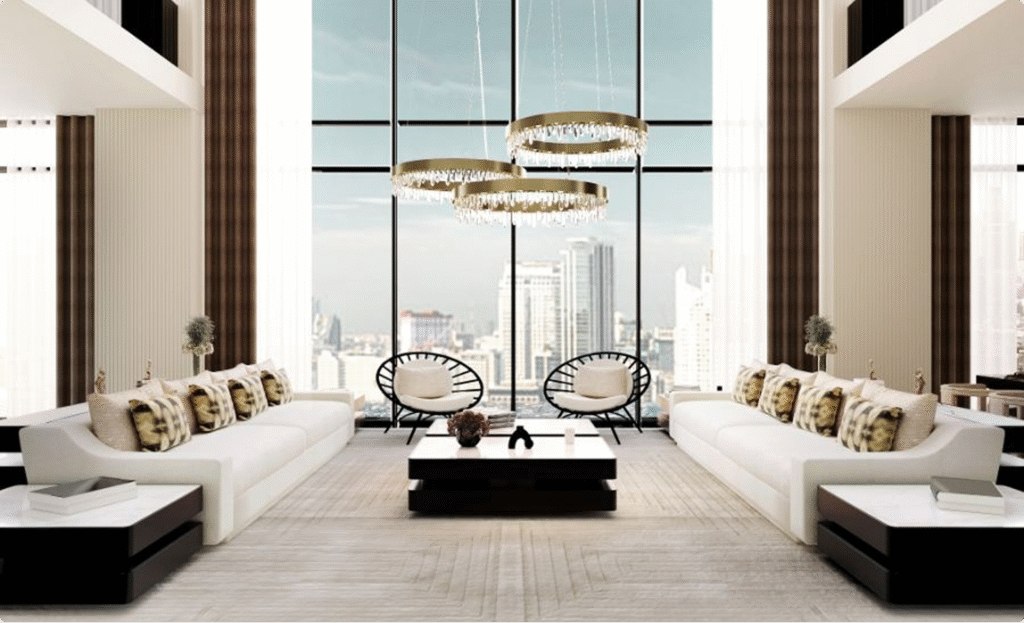
When I see a photo like that—a stunning living room with floor-to-ceiling windows and a designer sofa placed just right—my first reaction isn’t just admiration. It’s analysis. Something immediately jumps out at me: is this space designed for humans? Or is it designed for the camera?
Too often, these perfectly staged interiors fall short where it matters most: usability. The coffee table is too far from the sofa. There are no surfaces within reach to set down a drink, a book, or your phone.
The layout might look incredible in a wide-angle shot, but in real life? It doesn’t serve the person actually living there.
Design isn’t just about looking good—it’s about feeling right. A sofa is for relaxing. A chair should support conversation. A surface should always be where your hand naturally wants to reach. That’s what I mean when I talk about human-centric design. Because in the end, the home isn’t a showroom. It’s a stage for your everyday rituals. And your space should serve you, not the other way around.
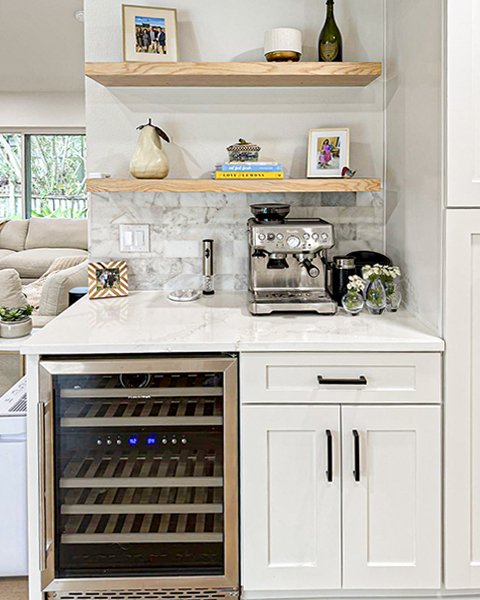
In my work, I always begin with behavior: where do you set your phone? Where do you charge it? Where do you keep your tea mug when you’re curled up watching something? These small details shape how we feel in a space. Luxury isn’t just expensive materials and grand views—it’s thoughtful, effortless living.
So the next time a luxury interior takes your breath away, pause for a moment. Imagine yourself in it. Ask the simple, human questions: Where would I sit? Where would I place my glass? Would this space actually support how I live? That’s how we turn good design into something truly meaningful.
Don’t just fall for the photo. Demand a space that fits your life.